
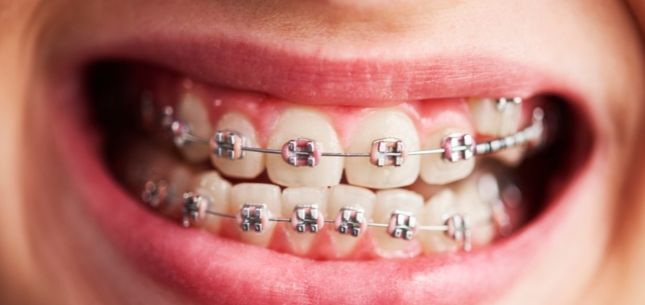
Yes, braces can cause some pain or soreness, especially when they are first put on or tightened. This happens because braces apply gentle pressure to your teeth, moving them into the right positions. Your teeth and gums need some time to get used to this pressure. The soreness is usually mild to moderate and often goes away within a few days. You may also feel some rubbing inside your cheeks or lips as they get used to the brackets and wires. Knowing what to expect can help you feel more comfortable during this time. Simple steps, such as eating soft foods, using orthodontic wax, and keeping your teeth clean, can help reduce soreness while wearing braces.
Do Braces Hurt When You First Get Them?
Getting braces usually does not hurt while they are being placed. The brackets are attached to the teeth, and a wire is connected to apply gentle pressure. However, soreness may begin a few hours later or the next day.
This happens because:
- Teeth begin responding to the pressure from the braces.
- The tissues around the teeth adjust to small movements.
- Chewing may feel uncomfortable while the teeth are sensitive.
- Brackets and wires may rub against the cheeks or lips.
Teeth hurt after getting braces because the pressure can make them feel tender. This is a normal part of the adjustment process for many patients.
How Long Do Braces Hurt?
Most braces soreness is strongest during the first few days after placement or an adjustment. It often starts to improve within three to five days, although mild tenderness may last a little longer.
The soreness usually changes over a few days:
- First day: Your teeth may start to feel sore.
- Days two and three: Your teeth may hurt more when you chew food.
- Days four and five: The soreness usually starts to get better.
- After several days: Eating and speaking generally become easier.
Everyone adjusts at a different pace. If pain is severe, continues to worsen, or does not begin to improve, contact the orthodontic team for advice.
Why Do Braces Hurt After an Adjustment?
Braces pain after an adjustment occurs because the orthodontic wire may be adjusted to continue guiding the teeth. This creates new pressure, which can make the teeth feel tender again.
The soreness is often temporary and may feel similar to the discomfort experienced after the braces were first placed. It can be more noticeable when biting into food or chewing.
How to Relieve Braces Pain
A few simple steps can help you feel better while your teeth get used to braces.
- Eat soft foods: Choose foods that are easy to chew, such as mashed potatoes, scrambled eggs, yoghurt, soup, and smoothies.
- Try cold foods: Cold yoghurt or a chilled smoothie may help soothe sore teeth and gums.
- Use orthodontic wax: Place wax over a bracket or wire that rubs against the inside of the mouth.
- Rinse with warm salt water: A gentle rinse may soothe irritated cheeks and gums. Avoid swallowing the mixture.
- Brush gently: Use a soft-bristled toothbrush and clean carefully around brackets and wires.
These steps can help stop braces from hurting during the first few days after placement or an adjustment.
What to Eat When Braces Hurt
When braces discomfort makes chewing difficult, choose soft, easy-to-eat foods.
Cutting food into small pieces can also reduce pressure on sensitive teeth.
Good choices include:
- Oatmeal and soft cereals.
- Scrambled eggs.
- Mashed vegetables.
- Pasta and soft rice.
- Bananas and other soft fruits.
- Smoothies and yoghurt.
- Soft fish and tender cooked foods.
Avoid hard, crunchy, sticky, or chewy foods such as popcorn, hard nuts, chewing gum, and hard candy. These foods can increase discomfort or damage brackets and wires.
How to Ease Braces Soreness From Brackets and Wires
Sometimes, the main problem is not tooth soreness but irritation inside the cheeks or lips. New brackets and wires can rub against soft tissues until the mouth becomes used to them.
To reduce this irritation:
- Dry the bracket gently with clean gauze before applying orthodontic wax.
- Roll a small amount of wax and press it over the irritated area.
- Replace the wax as needed, especially after eating or brushing.
- Avoid pulling or cutting a loose wire yourself.
If a wire is poking or a bracket becomes loose, contact the orthodontic team for guidance.
Make Your Braces Journey More Comfortable
Some soreness is a normal part of teeth moving into new positions, but it should become easier to manage with time. Smith Orthodontics can help address discomfort, check any issues with brackets or wires, and guide treatment. Schedule an appointment if soreness is affecting your comfort or daily routine.
FAQs
How long do braces hurt after getting them?
Your teeth usually feel sore for three to five days. The pain slowly improves, but mild soreness may persist a little longer.
Why do teeth hurt after getting braces tightened?
The adjustment changes the pressure on the teeth to guide their movement. This can cause temporary tenderness, especially when chewing.
What helps relieve braces pain quickly?
Soft foods, cold foods, orthodontic wax, and gentle salt-water rinses may help. Follow your orthodontist’s advice about pain relief.
What foods should you eat when your braces hurt?
Choose soft foods such as yoghurt, eggs, oatmeal, mashed potatoes, pasta, and smoothies. Avoid hard or sticky foods.
Is it normal for braces to hurt when chewing?
Yes. Teeth may feel tender when biting or chewing, particularly after braces are placed or adjusted. The discomfort should gradually improve.
Do braces hurt more after an adjustment?
Soreness can return after an adjustment because the teeth experience a change in pressure. It is usually temporary.
How can you prevent braces from rubbing against your cheeks?
Use orthodontic wax over brackets or wires that cause rubbing. Give the cheeks and lips time to adjust, and contact the orthodontic team if irritation continues.
When should you contact your orthodontist about pain from braces?
Contact the orthodontic team if pain is severe, gets worse, does not improve, or affects eating and daily activities. Also report loose brackets, broken wires, or wires that pose an injury risk.
How painful are braces on a scale of 1 to 10?
The pain level is different for everyone. Most people feel mild to moderate soreness or pressure rather than sharp pain.